A Practice-Driven Learning Environment

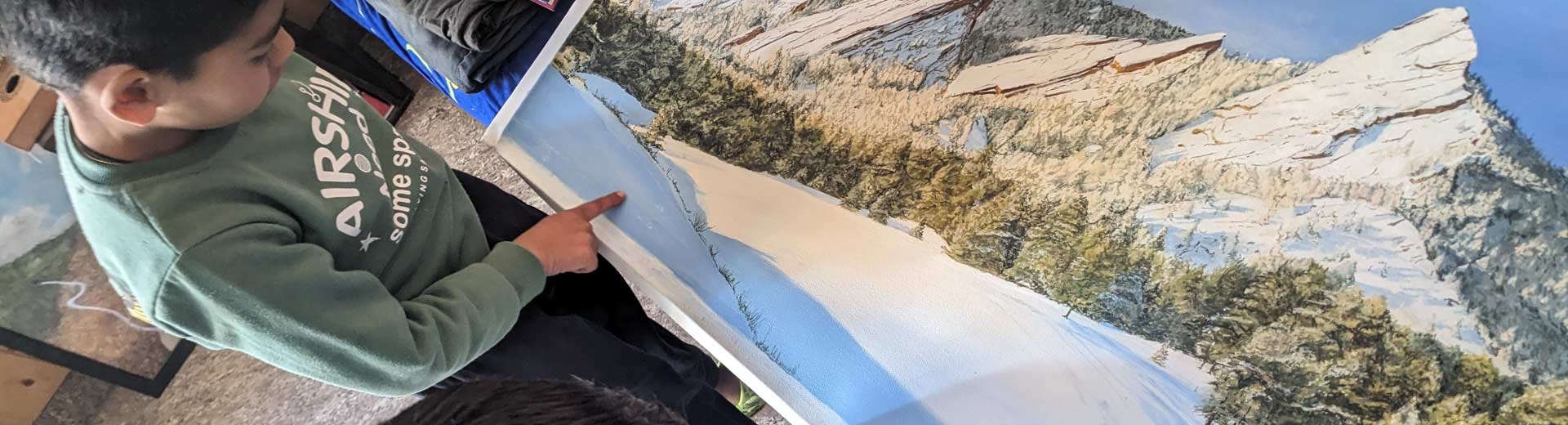
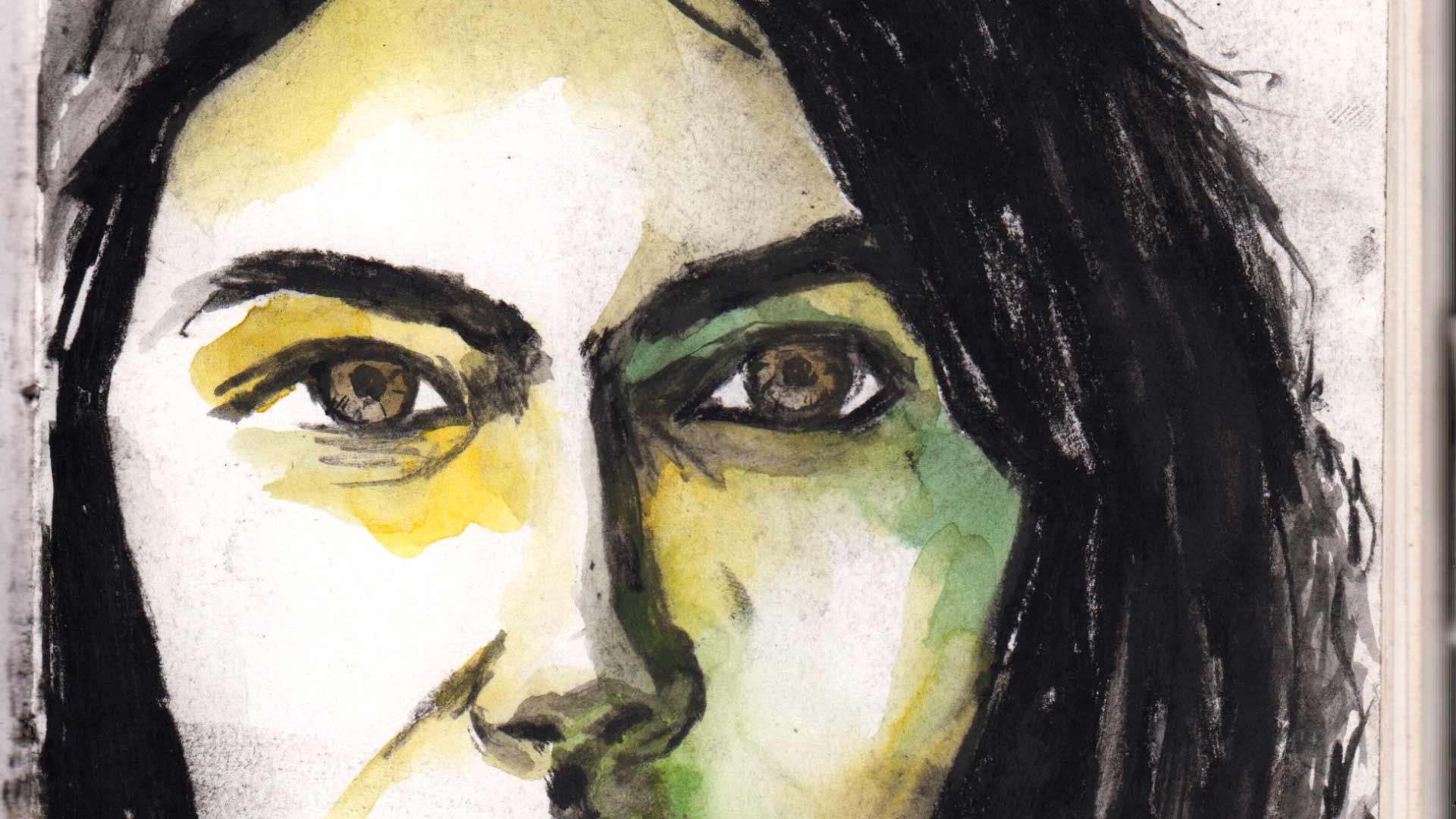
The Atelier at Studio Manali is shaped by long hours and steady work. Drawing, painting, material craft, and mural practice form its spine. Skills develop through repetition, attentive looking, and direct guidance. Each day is built for deep, uninterrupted study.

Small cohorts create a clear path of progression for every participant. Critique is honest, mentorship is consistent, and the studio remains active from morning to evening. Burwa’s quiet terrain, its light, and its long lineage of craft shape the pace and clarity of the work.
Honest Craft, High Altitude.

Why Train Here

The Atelier is built for students and practitioners who want to work with intention. This is a place to refine the hand, sharpen judgement, and cultivate a dependable studio rhythm.

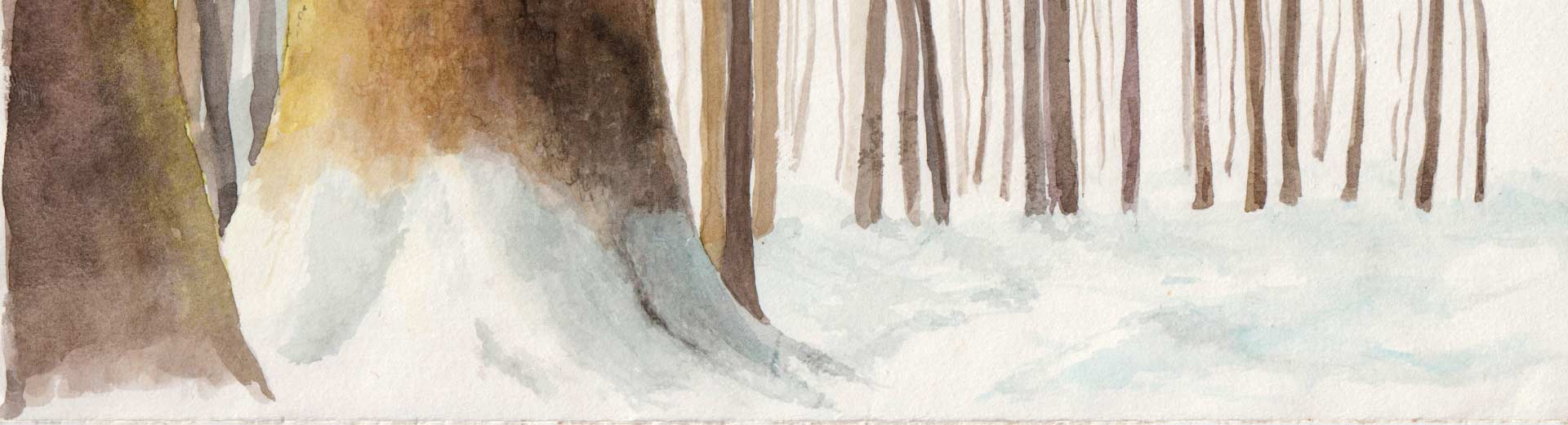
The setting becomes a partner in the training. High-altitude light, shifting weather, mineral surfaces, and the valley’s architectural textures form living material for observation. Constraints of geography strengthen technique and attention.

The ethos remains steady:
Work with honesty. Build skill through practice. Let the place shape your eye.

How We Learn

Practice at the Centre

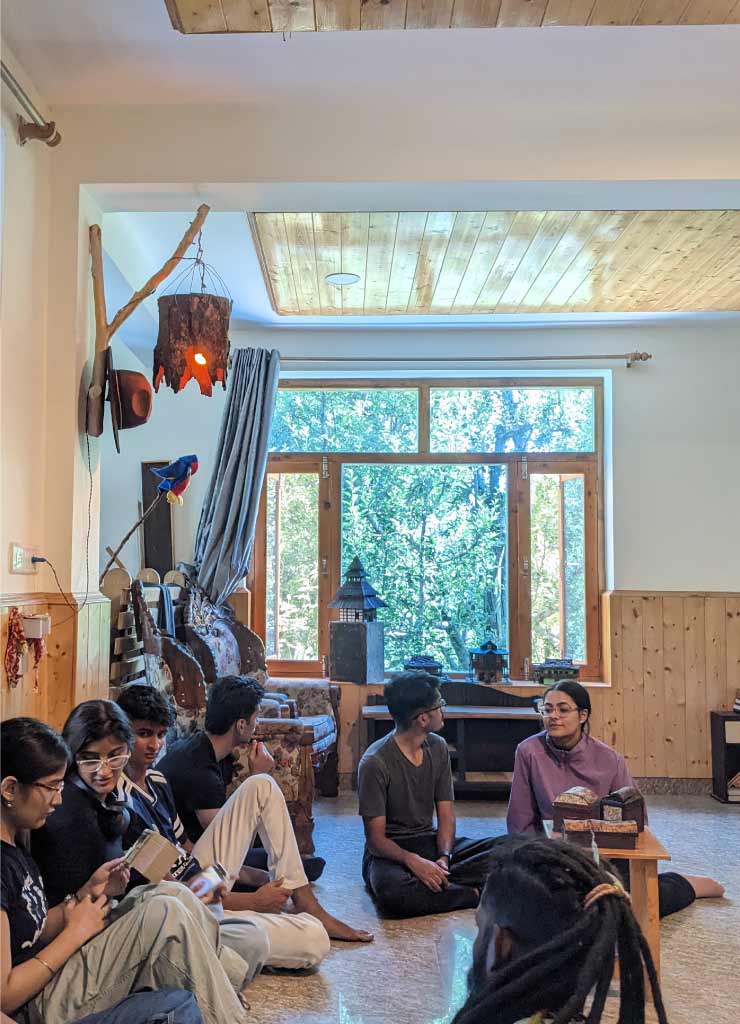
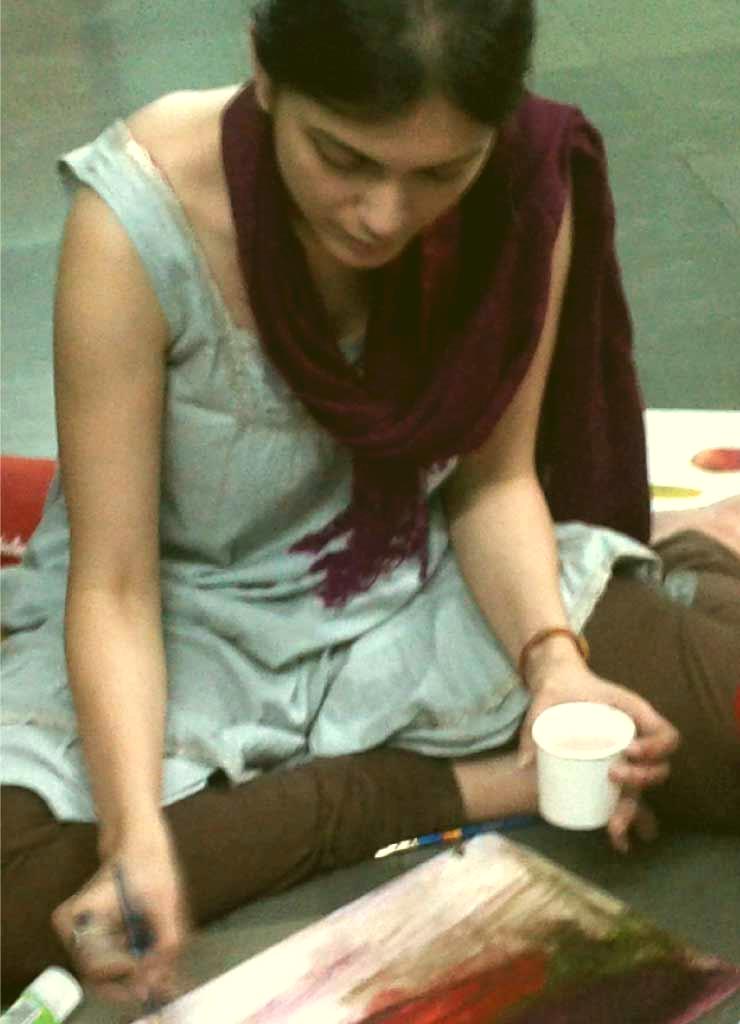
The largest share of time is spent in the main and ancillary studios. Long blocks of focused work—drawing, painting, wall study—build technical maturity. Materials set the tempo, and repetition refines the hand.

Theory in Service of Practice

Contexts, readings, and demonstrations are concise and always tied to the day’s work. Concepts appear only when they clarify method or deepen understanding.

Field Engagement

The valley acts as an extended studio. Weather, altitude, stone, timber, textile, and built form are observed directly. Students learn to read light and environment with precision.

Focused Cohorts

Cohorts of five to six ensure close mentorship and individual guidance. The group shares responsibility for discipline, documentation, and daily critique.

Program Architecture

Training at the Atelier is organised through a sequence of focused modules. Each module is designed to develop technical clarity through sustained engagement with material, surface, and method.

Programs vary by season. Some cycles concentrate on studio disciplines such as drawing, watercolour, and ink; others extend into mural execution, material preparation, and restoration practice. Certain sessions remain studio-bound, while others engage the landscape and built environment as active study material.

Modules run in short, intensive blocks—typically two to four weeks—allowing participants to work with precision and continuity. Modules may be taken individually or combined into longer pathways.

Across all sessions, the structure remains consistent:
method precedes expression, technique is built through repetition, and each program concludes with a Capstone that consolidates the learning into a cohesive body of work.

Outcomes & Capstone Standard

The Atelier operates with clear expectations. Progress is measured through observation, material handling, and decision-making rather than attendance alone.

Each training pathway concludes with a Capstone: a focused body of work developed, refined, and documented over a defined period. The Capstone brings together technique, method, and judgement into a single articulated outcome.

This work—along with supporting studies and process documentation—forms the standard by which the Atelier evaluates readiness, growth, and completion.

Current & Upcoming Ateliers

Atelier programs are announced seasonally. Each follows the same core standards of practice and documentation, while the mediums and scope of study shift according to focus.

Life at the Atelier Village

Life here is simple and practised as such. Days are structured around work, weather, and the practical realities of living and studying in a mountain village.

Accommodation is arranged through partner homestays and guesthouses within walking distance. Meals are vegetarian and aligned with the working day.
Safety induction, altitude guidance, and local briefings form part of orientation.

Students follow a clear code of conduct: respect for the studio, peers, local customs, and collaborating artisans. Care for shared spaces and attentiveness to the surrounding environment are treated as extensions of studio discipline.

Materials are shared responsibly. Heavy infrastructure—boards, easels, scaffolds, lighting, substrates—is provided. Students bring their own brushes, sketchbooks, and preferred pigments.

Daily Pace

A typical day in the Full-Time Module:

07:00: Morning observation walk followed by Breakfast

09:00 – 11:30: Primary Studio Block & Tea Break

12:00 – 13:30: Secondary Block followed by Lunch

14:30 – 16:30: Tertiary Block & Evening Tea

17:00: Daily Critique & Documentation

19:00: Dinner, Debate & Film/Reading

Sundays: Rest, Open Studio, or Excursion.

Crafted under the rolling, thunderous mountains and skies full of rainbows — one day, one study, one stroke at a time.